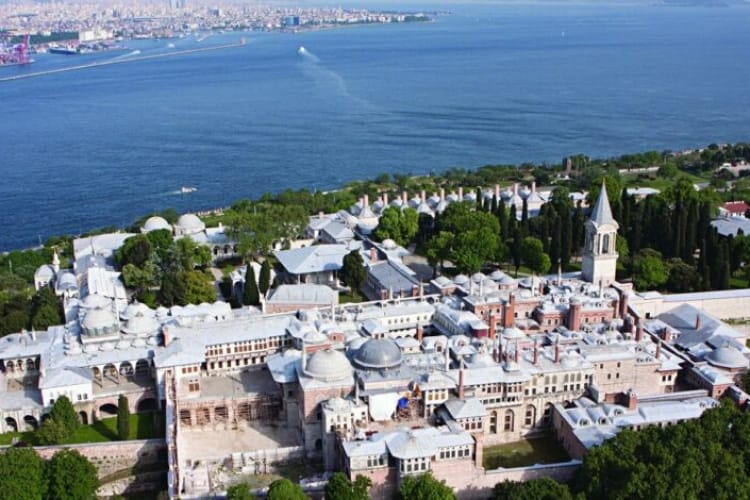
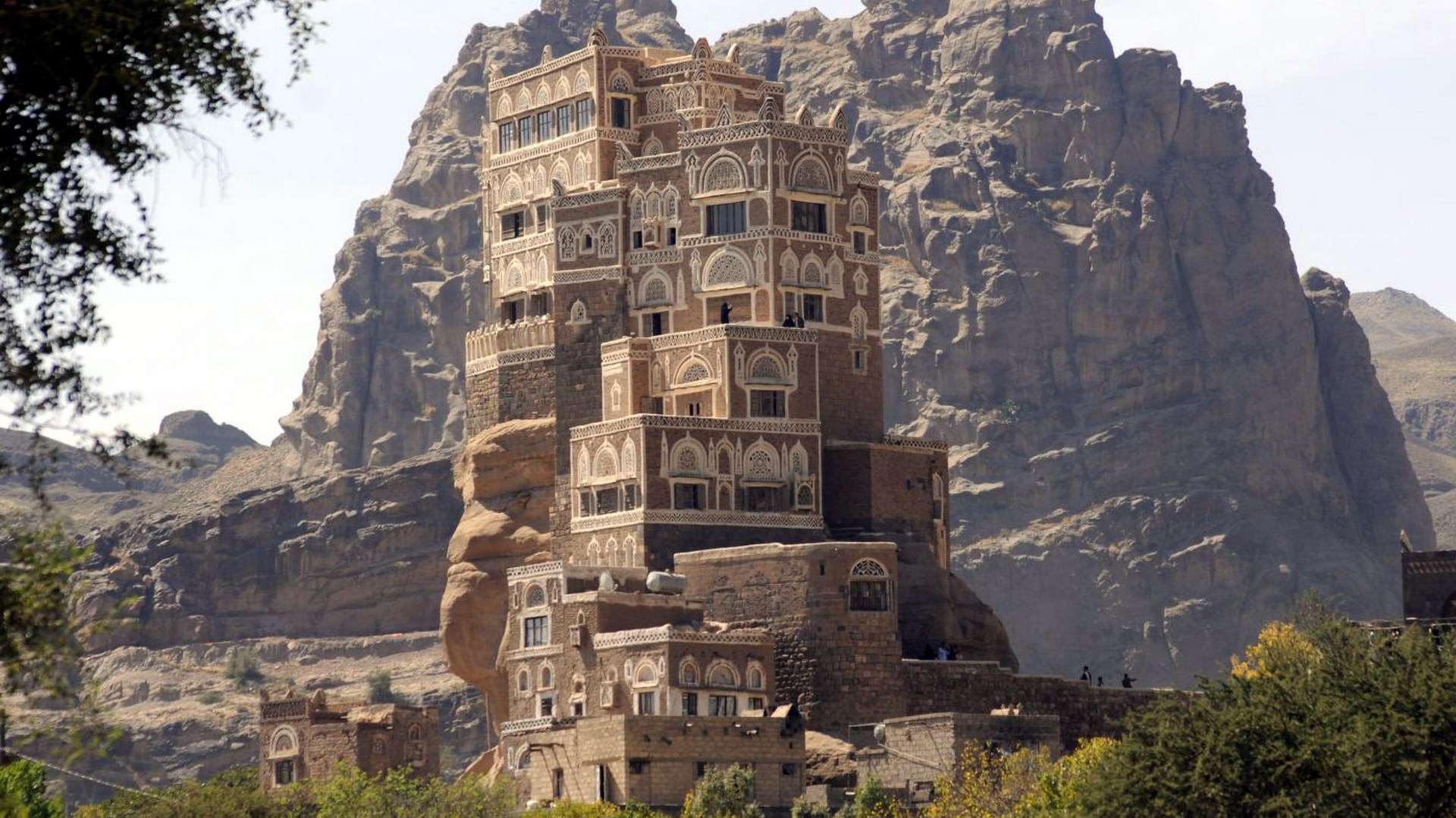
Fez, one of the oldest imperial cities of Morocco, is considered the spiritual and cultural capital of the country. The Royal Palaces of Fez (Dar al-Makhzen) represent centuries of Islamic faith, royal authority, scholarship, and tradition deeply rooted in Moroccan history.
For travelers seeking Islamic heritage, spiritual depth, and royal architecture, Fez offers an unmatched pilgrimage-style cultural experience in 2026. With
Spiritual and Cultural Importance of Fez
Fez is not just a royal city; it is a living center of Islamic learning. Its sacred atmosphere is defined by its dedication to knowledge and tradition.
Al-Qarawiyyin University : Founded in 859 CE, it is recognized as the world's oldest continually operating university. It remains the spiritual heart of the city and a major center for Islamic scholarship.Sufi Traditions : The city is a hub for Sufi orders, where faith is expressed through music, poetry, and meditation.Preservation of Faith : The Royal Palaces symbolize the protection of Islamic knowledge and the historical lineage of Moroccan rulers.
The Royal Palace (Dar al-Makhzen)
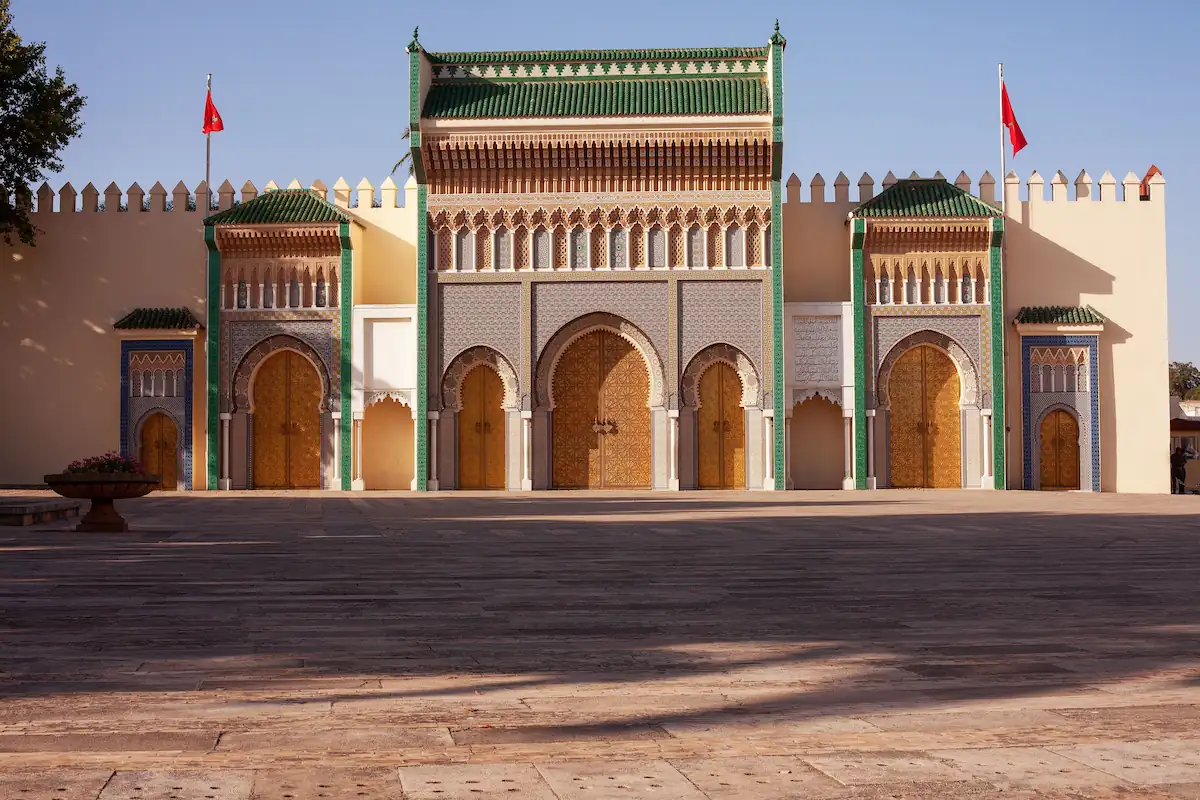
Located in the historic Mellah (Jewish Quarter), Dar al-Makhzen has been the official residence of Moroccan kings since the 13th century. While the interior remains a private royal residence, its exterior is an architectural masterpiece.
The Seven Golden Doors : These iconic brass doors are inlaid with fine gold and silver, standing as a testament to the mastery of Moroccan metalworkers.Zellij Tilework : The walls surrounding the gates are adorned with intricate blue and green mosaic patterns, symbolizing peace and prosperity.Architectural Symmetry : The palace exterior showcases a perfect blend of Marinid and Andalusian styles, representing the peak of Moroccan royal artistry.
Top Cultural Experiences in Fez 2026
Explore the Fez Medina (Fez el-Bali) : A UNESCO World Heritage site with over 9,000 narrow alleys. It is the world's largest car-free urban area, where donkeys still serve as the primary mode of transport.Visit Bou Inania Madrasa : Built in the 14th century, this is one of the few religious sites in Morocco open to non-Muslim visitors, featuring stunning cedarwood carvings and marble courtyards.Chouara Tannery : Witness the traditional leather-dyeing process that has remained unchanged since the 11th century. The colorful vats are best viewed from the surrounding rooftops.Jnan Sbil Gardens : Take a break from the bustling medina in these lush gardens, which feature grand fountains and rare botanical species.
Best Time to Visit Fez
The weather in Fez can be extreme, so timing your trip is essential for a comfortable experience.
Spring (March to May) : This is widely considered the best time to visit. The landscapes are blooming, and temperatures average a pleasant 18°C to 25°C.Autumn (September to November) : Another excellent window for sightseeing with clear skies and manageable crowds.Winter (December to February) : Days are mild, but nights can be very cold (dropping to 5°C). This is the best time for budget-conscious travelers.Summer (June to August) : Temperatures often exceed 38°C (100°F). If you visit now, plan your activities for early morning or late evening.
Essential Travel Tips for 2026
Dress Code : Fez is the conservative heart of Morocco. Both men and women should ensure shoulders and knees are covered when walking through the medina or near the palace.Guided Tours : The labyrinthine streets are incredibly easy to get lost in. Hiring an official guide is highly recommended to uncover hidden madrasas and artisan workshops.Cash is King : While hotels and larger shops accept cards, most medina vendors and restaurants prefer Moroccan Dirhams (MAD).Palace Photography : You are free to photograph the golden gates of Dar al-Makhzen, but avoid taking photos of the royal guards or the inner premises.
Plan Your Fez Royal Heritage Tour Today
Experience the living soul of Islamic Morocco with a perfectly curated trip. At
Contact
RECENT POSTS

Holiday Destinations
October 26, 2026
Things To Do
January 31, 2026
Things To Do
January 31, 2026
Things To Do
January 31, 2026